Why Does Perimenopause Cause Weight Gain Even in a Calorie Deficit?
TL;DR: Fluctuating estrogen and progesterone during perimenopause change how your body handles insulin and stores fat, which can cause weight gain even when your calorie intake hasn't changed. Addressing the hormonal imbalance, not just the calorie math, is usually what moves the needle.

If you're a woman in your 40s or early 50s in Miami Lakes tracking every meal and still watching your weight creep up, you're not imagining it and you're not doing anything wrong. Perimenopause weight gain in a calorie deficit is one of the most common frustrations we hear from patients at iGlo Aesthetics & Wellness, and it has a hormonal explanation, not a willpower problem. The shift usually shows up as new fat around the midsection, even in women who've maintained the same weight for years on the same routine.
Why Does This Happen Hormonally?
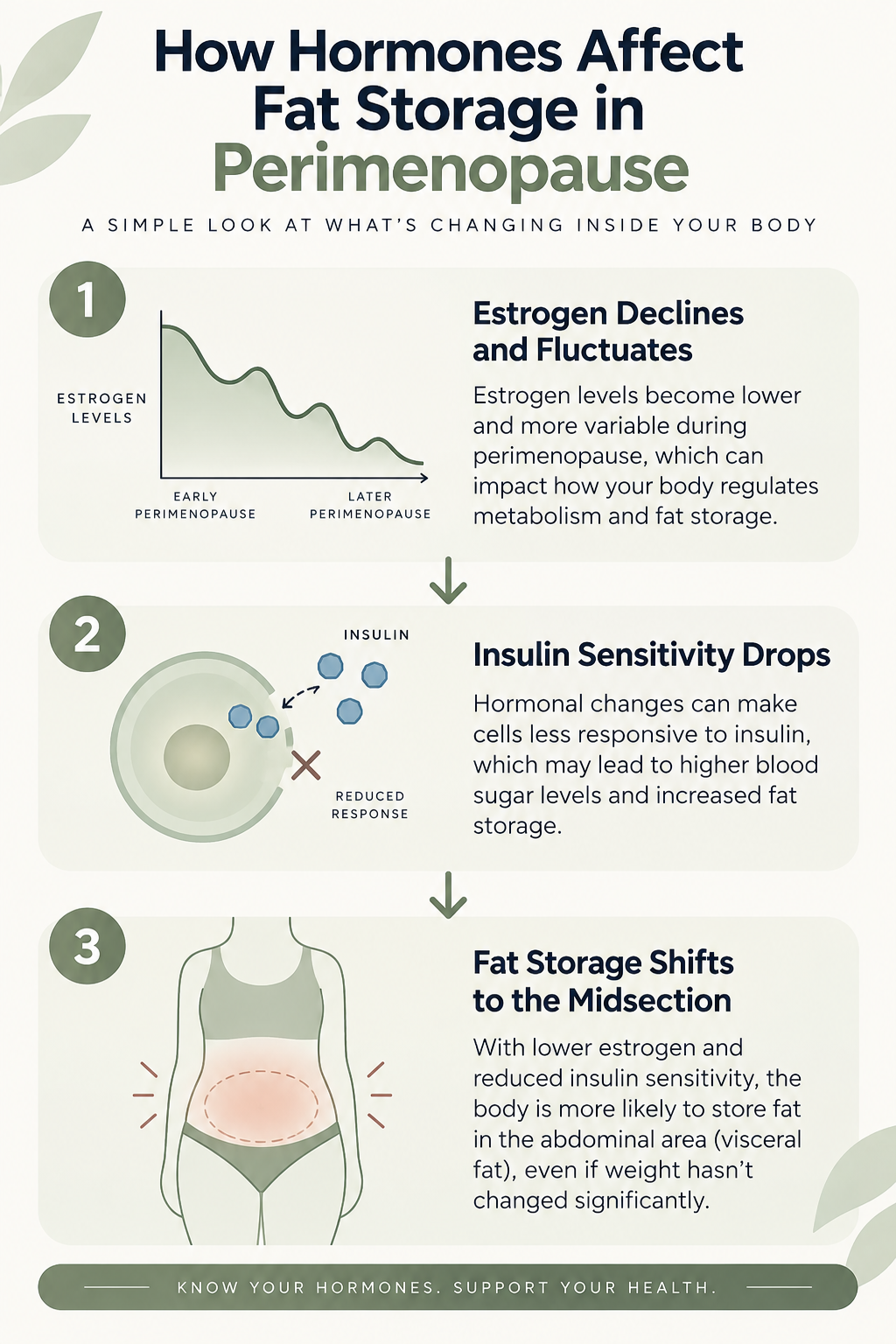
Declining and fluctuating estrogen levels shift how your body stores fat and processes insulin, often redirecting weight gain toward the abdomen regardless of calorie intake. As estrogen drops, insulin sensitivity tends to decline too, meaning your body holds onto glucose (and stores more of it as fat) instead of using it efficiently for energy. Progesterone swings add another layer, often driving water retention and appetite changes that make the scale feel unpredictable week to week.
This is a hormone imbalance weight gain pattern, not a sign that your calorie deficit isn't real. Muscle mass also tends to decline during this window, which slows metabolism further and compounds the effect. None of this means the deficit isn't working. It means the body is operating under different hormonal rules than it did a decade ago.
Why This Matters for Your Approach to Weight Management
Traditional calorie counting alone often isn't enough during this hormonal transition. Addressing the underlying imbalance is usually necessary for sustainable, lasting results. Cutting calories further when the real issue is insulin resistance or estrogen fluctuation can backfire, leading to muscle loss, low energy, and a slower metabolism over time.
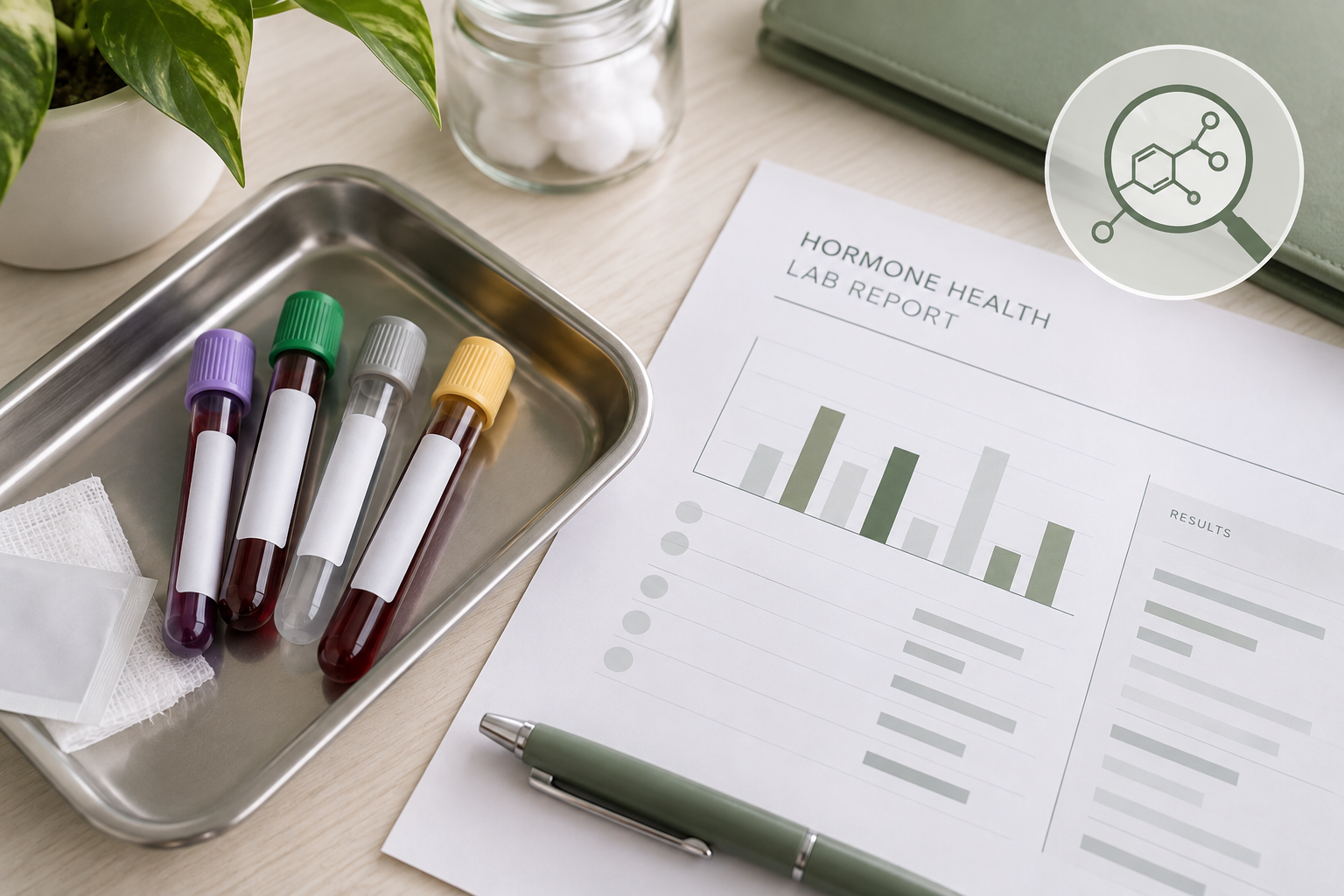
A more effective approach starts with understanding what's actually happening inside the body. That typically means lab work to see where estrogen, progesterone, and related markers stand, followed by a plan built around those results rather than generic advice. Patients who read our full perimenopause hormone guide often find the missing piece isn't more restriction, it's the right kind of support for what their body is doing right now.

"So many women blame themselves for weight gain that's actually a hormonal shift. Testing gives us real answers instead of guesswork," says Katrina Friedberg, MSN, APRN, FNP-BC, who has spent more than a decade helping women in Miami Lakes navigate this exact transition.
Quick Questions
Can hormone testing explain unexplained weight gain?
Yes. A comprehensive hormone panel can reveal imbalances in estrogen, progesterone, and other markers that may be contributing to weight changes during perimenopause. This gives you a clear starting point instead of guessing which lifestyle change to try next.
Does exercise still help during perimenopause?
Exercise remains valuable, particularly strength training, which helps offset hormone-related muscle loss and supports metabolic health during this transition. It won't fully counteract a hormonal imbalance on its own, but paired with the right treatment plan it makes a real difference.
Get Answers Instead of Guesswork
If you've been doing everything right and the scale still won't move, the next step is testing, not another diet change. Our Miami Lakes team builds every plan around lab-based diagnosis, so you know exactly what your hormones are doing before we recommend anything. Katrina and her team work with women across Miami Lakes, Doral, Hialeah, and the surrounding areas through our hormone therapy program, using real data to guide personalized treatment plans.
Perimenopause weight gain in a calorie deficit has a real, treatable cause. You don't have to keep cutting calories to find out what it is.